
Neodymium magnets
Neodymium–iron–boron magnets are also known as NdFeB magnets. Identify your shape and the specifications to discuss with Nike Industrial Trading. Product availability is confirmed for each inquiry.
Showing 4 shape categories.
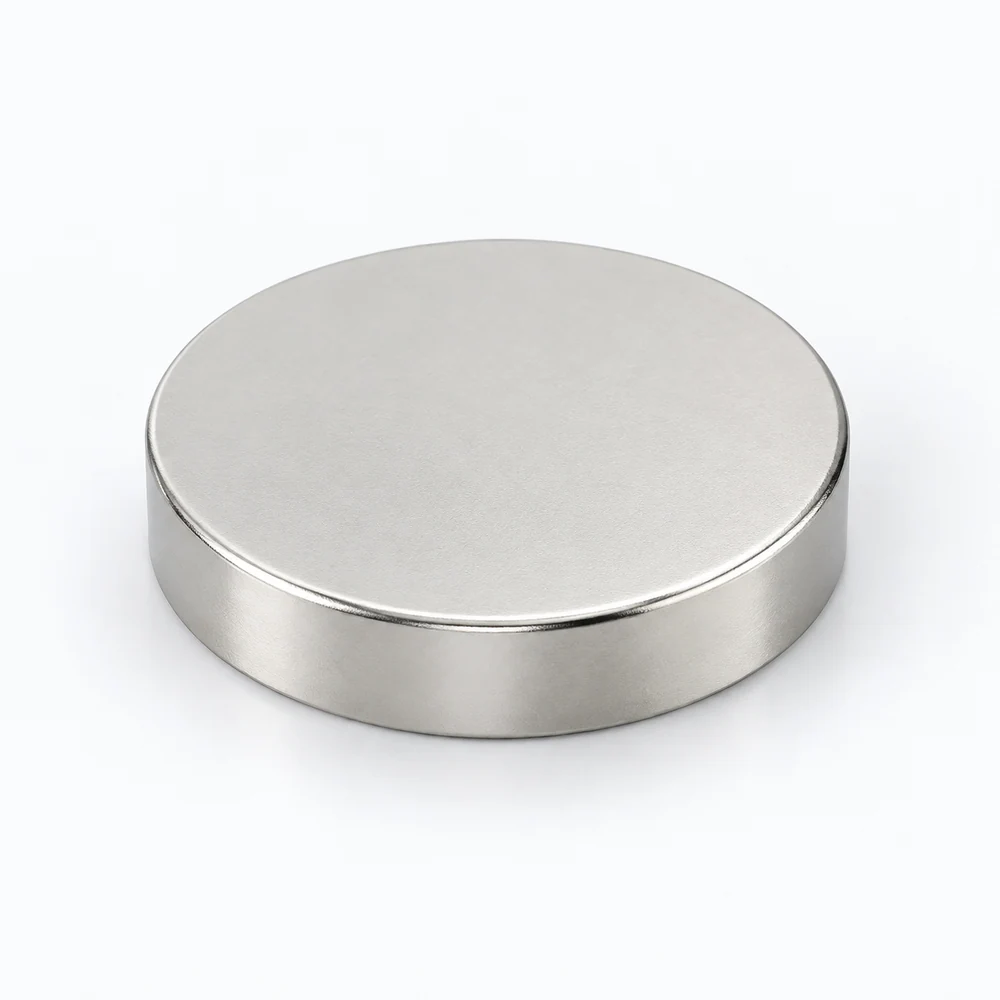
Disc magnets
A solid round geometry. Include the diameter and thickness, then describe how the magnet will be installed.
- Dimensions to specify
- Diameter × thickness; units and tolerances
- Other requirements
- Grade, coating, magnetization direction and tolerance, where specified.
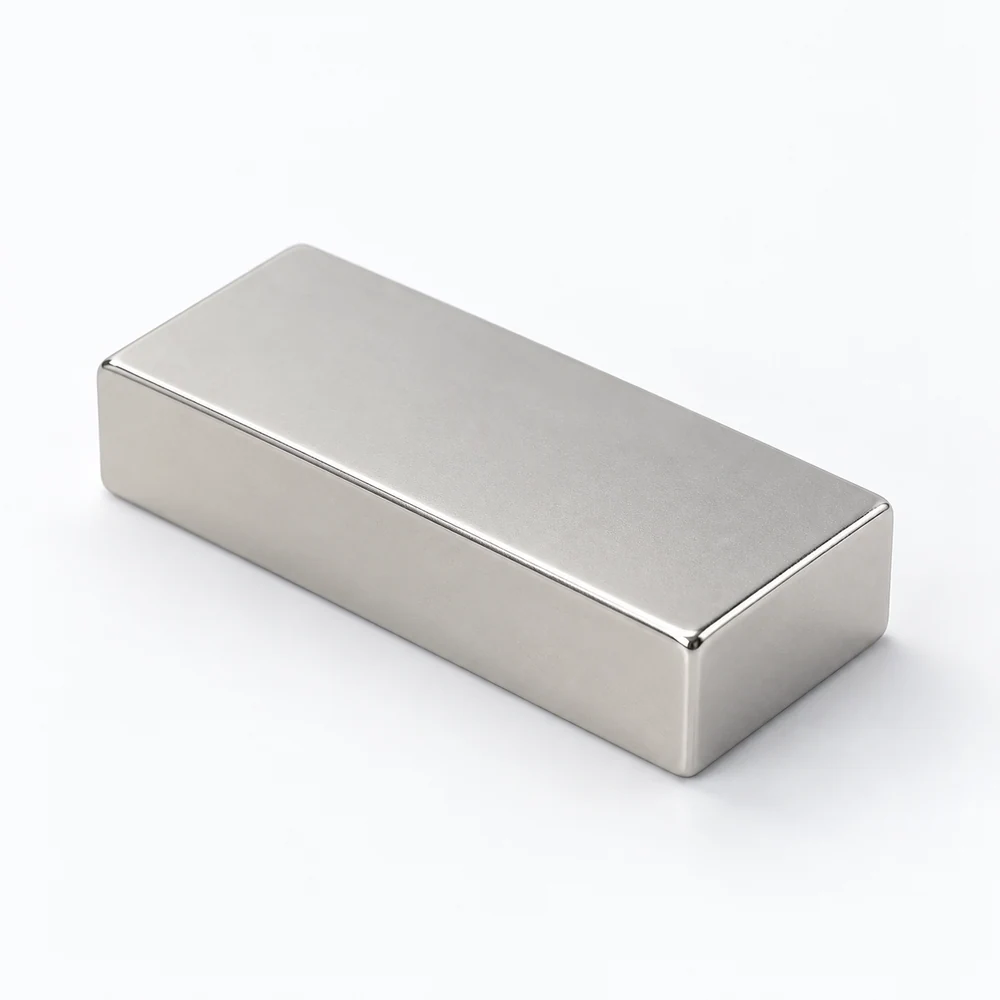
Block magnets
A rectangular geometry for defined installation spaces. State the dimension names and orientation shown on your drawing.
- Dimensions to specify
- Length × width × thickness; units and tolerances
- Other requirements
- Grade, coating, magnetization direction and tolerance, where specified.
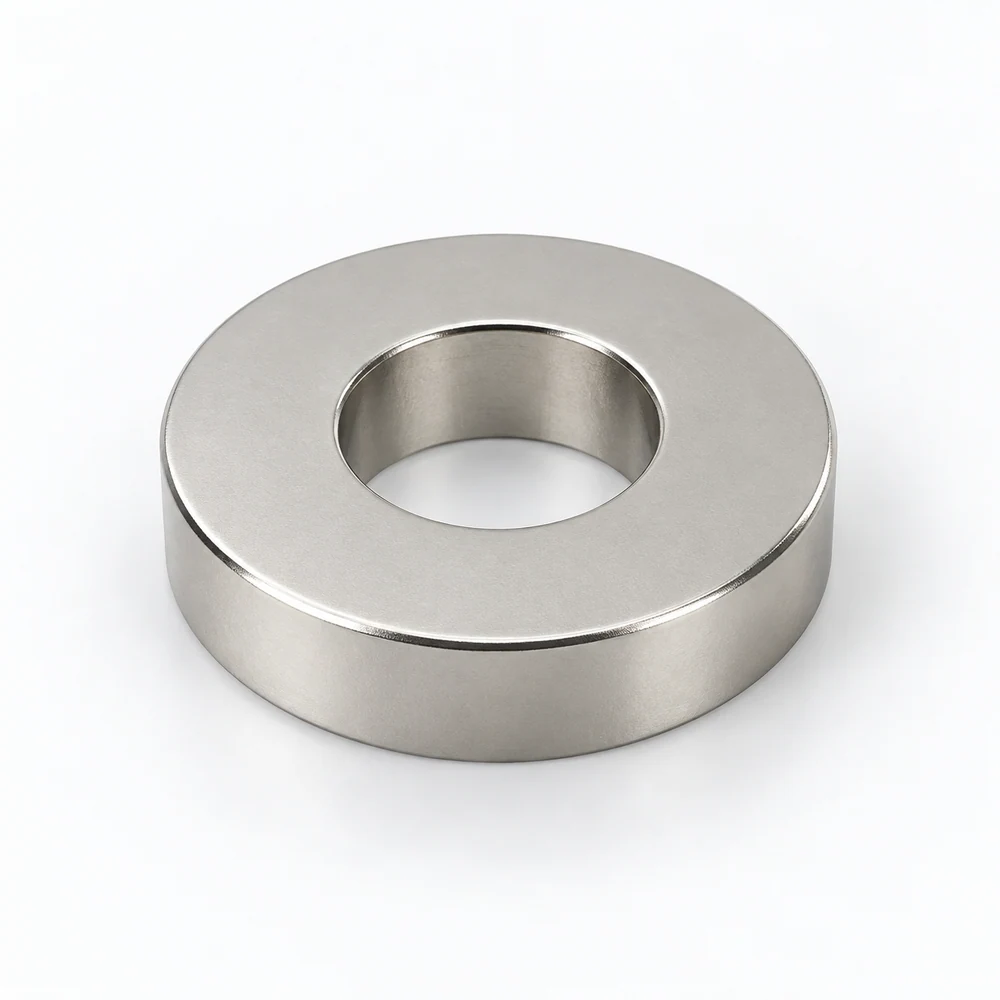
Ring magnets
A round geometry with a through-hole. Include the bore as well as the outside dimensions.
- Dimensions to specify
- Outside diameter × inside diameter × thickness
- Other requirements
- Grade, coating, magnetization direction and tolerance, where specified.
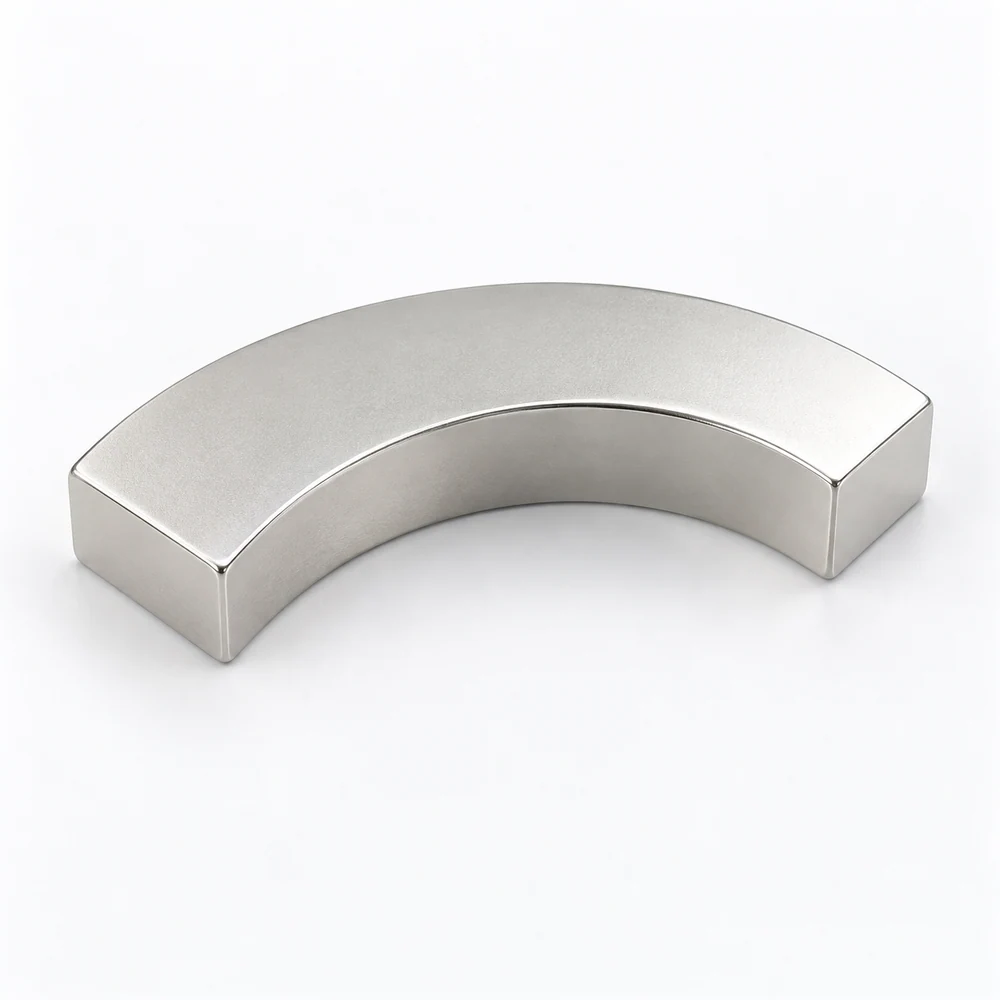
Arc magnets
A curved segment geometry. A dimensioned drawing helps describe the inner and outer curved faces.
- Dimensions to specify
- Inner/outer radii, arc angle, axial height and drawing reference
- Other requirements
- Grade, coating, magnetization direction and tolerance, where specified.
Specify the part you need
Fill in the details you know. If a grade, finish or magnetic requirement is undecided, describe the application and mark it as a question.
The illustrations identify geometry. They do not define dimensions, magnetic poles, performance or stock availability.
| Detail | What to include | If not yet defined |
|---|---|---|
| Shape and size | Dimension names, values and units, or a dimensioned drawing. | Describe the available space and mating parts. |
| Fit and tolerances | Critical dimensions and required tolerances from your drawing. Define finished dimensions and inspection. | Identify the surfaces or features that must fit. |
| Grade | The specified grade or existing supplier data sheet. Read grade numbers and suffixes. | Include operating conditions and the intended function; ask which specifications need confirmation. |
| Finish | The coating or surface requirement, if specified. Compare coating options. | Describe exposure to moisture, contact or adhesives. |
| Magnetization | Required direction, polarity and any identification marks. See the pole-direction diagrams. | Show the orientation and mating components on a sketch. |
| Environment | Known temperature range and relevant exposure conditions. Review temperature and heat loss. | Describe the installation and conditions still to be established. |
| Quantity and documents | Quantity for each part, sample needs and required product or inspection information. | Give a preliminary quantity and name the information needed before deciding. |
Details to prepare for a product inquiry
Shape and size
- What to include
- Dimension names, values and units, or a dimensioned drawing.
- If not yet defined
- Describe the available space and mating parts.
Fit and tolerances
- What to include
- Critical dimensions and required tolerances from your drawing. Define finished dimensions and inspection.
- If not yet defined
- Identify the surfaces or features that must fit.
Grade
- What to include
- The specified grade or existing supplier data sheet. Read grade numbers and suffixes.
- If not yet defined
- Include operating conditions and the intended function; ask which specifications need confirmation.
Finish
- What to include
- The coating or surface requirement, if specified. Compare coating options.
- If not yet defined
- Describe exposure to moisture, contact or adhesives.
Magnetization
- What to include
- Required direction, polarity and any identification marks. See the pole-direction diagrams.
- If not yet defined
- Show the orientation and mating components on a sketch.
Environment
- What to include
- Known temperature range and relevant exposure conditions. Review temperature and heat loss.
- If not yet defined
- Describe the installation and conditions still to be established.
Quantity and documents
- What to include
- Quantity for each part, sample needs and required product or inspection information.
- If not yet defined
- Give a preliminary quantity and name the information needed before deciding.
Need a calculation or a test definition? Use the magnet weight calculator or read about pull-force test conditions.
A drawing or a different geometry?
Use the custom requirements page for a drawing-based inquiry, holes or special geometry. Feasibility, tolerances and product requirements need confirmation for the proposed part.
Prepare a custom inquiryPrice, quantity and timing
Include your required quantity, destination and target date. Pricing, minimum quantities, sample arrangements and delivery terms must be discussed for the specific request.
Open the specification checklistHave a shape and a specification?
Bring the known details together. You can leave undecided specifications as questions.